
The Richest Man in Babylon
George S Clason
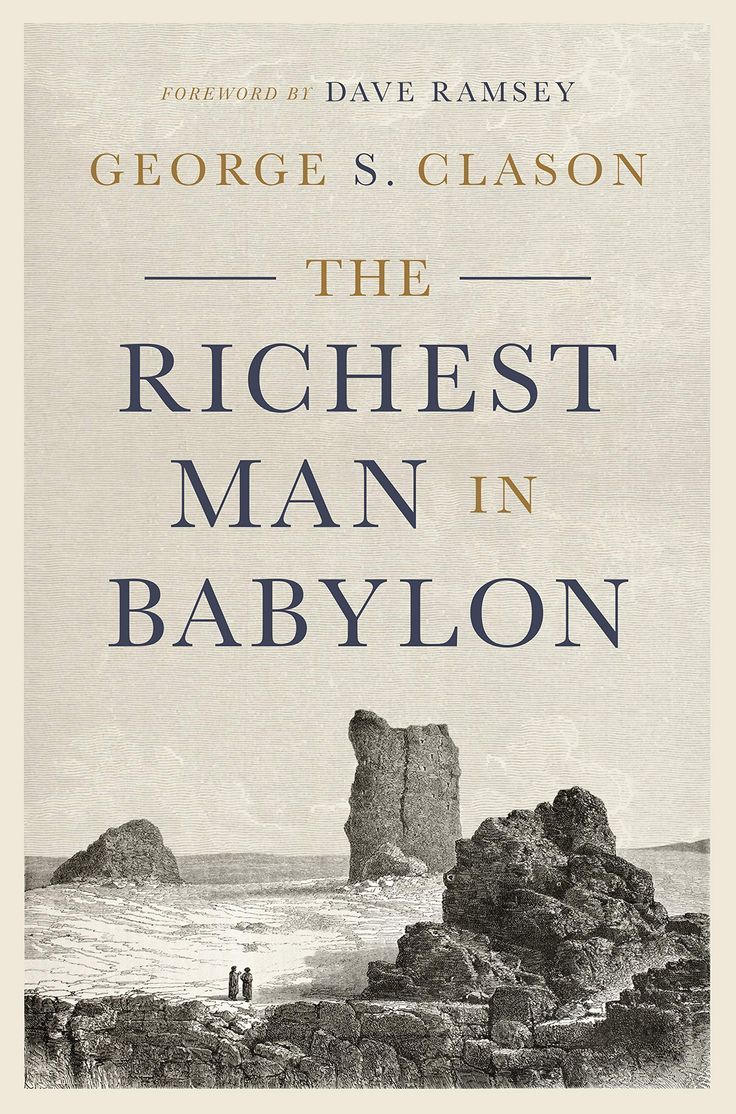


The Richest Man in Babylon by George S. Clason is a classic book that explains the fundamentals of money management in a very simple and engaging way. The stories are set in the ancient city of Babylon, which was once known as one of the richest and most advanced cities in the world. What makes this book different from other finance books is that it does not rely on complex theories or technical explanations. Instead, it uses short, meaningful stories and characters to explain important financial concepts in a way that is easy to understand and remember.
At the beginning, I felt the book was quite simple and straightforward, but as I continued reading, I realized that the simplicity is actually what makes it powerful. The author has taken basic financial ideas and presented them through relatable situations. The characters in the book, such as Arkad, Bansir, and Kobbi, are ordinary people who struggle with money, which makes it easy to connect with them. Through their experiences, the book shows that financial problems are not something new. Even in ancient times, people faced issues like not having enough savings, spending more than they earn, and falling into debt.
One thing I noticed while reading the book is the writing style. The language used in the book has a slightly old English tone because the author wanted to match the ancient setting of Babylon. At first, this made it a little difficult for me to understand certain sentences, and I had to read some parts more carefully. But after going through a few chapters, I became comfortable with the style, and it actually started to feel interesting. In a way, the language adds depth to the book and makes the stories feel more authentic, as if they really belong to that time period.
The main idea of the book revolves around building wealth through discipline and consistent habits. One of the most important lessons in the book is the concept of “pay yourself first.” This means that before spending money on anything else, a person should save a portion of their income. The book suggests saving at least ten percent of what we earn. Even though this idea is very simple, it is something that many people do not follow in real life. This principle shows that building wealth starts with developing the habit of saving regularly.
Another important lesson discussed in the book is controlling expenses. The book explains that no matter how much a person earns, if they do not control their spending, they will always struggle financially. Many people believe that earning more money will solve their financial problems, but the book clearly shows that without proper control over expenses, even a high income is not enough. This idea made me think about how important it is to differentiate between needs and wants in daily life.
The concept of making money grow is also explained in a very simple and effective way. The author compares money to something that can grow over time if it is used wisely. This is similar to the idea of investment, where money is used to generate more money. The book encourages people to invest carefully and make their savings work for them. At the same time, it also gives a warning about making wrong investment decisions. Through different stories, it shows that people often lose money because they invest in things they do not understand or trust the wrong people. This highlights the importance of taking advice from experienced individuals and being cautious while making financial decisions.
Another key message in the book is about protecting wealth. It is not enough to just earn and save money; one must also ensure that it is safe. The stories emphasize the importance of avoiding risky investments and being careful with financial decisions. This is very relevant in today’s world, where people are often attracted to quick money-making schemes and end up losing their savings. The book teaches that patience and careful planning are more important than trying to make money quickly.
The book also talks about planning for the future. It explains that a wise person should always think ahead and prepare for times when they may not be able to earn, such as old age. This can be done by building assets and creating a stable financial base. The idea of securing the future is very important, especially in today’s uncertain world. The book also highlights the importance of improving one’s ability to earn by continuously learning new skills and gaining knowledge. This shows that financial growth is not only about managing money but also about personal development.
What I found very interesting is how the book connects financial success with personal habits and mindset. The characters who become successful are not necessarily the most talented or lucky, but they are disciplined, patient, and willing to learn. This gives a strong message that anyone can improve their financial condition if they are ready to change their habits and follow certain principles consistently. It removes the common belief that only certain people can become wealthy.
Personally, I felt that the book is very relatable and practical. Even though it is based on an ancient setting, the situations described are similar to what people face today. Many people struggle with saving money, managing expenses, and avoiding debt. The book provides simple solutions to these problems without making it feel complicated. It made me realize that financial stability is not about earning a very high income but about using whatever income we have in a smart and disciplined way.
Another thing I liked about the book is that it does not try to impress the reader with complicated financial terms or concepts. Instead, it focuses on basic principles that are easy to understand and apply. This makes it suitable for beginners who are new to the concept of money management. At the same time, the lessons are so fundamental that even people with financial knowledge can benefit from them as a reminder of the basics.
However, there are a few minor drawbacks. Some parts of the book can feel repetitive because the same ideas are explained in different stories. But I feel that this repetition is intentional, as it helps in reinforcing the key concepts and making them easier to remember. Also, as mentioned earlier, the old-style language can be slightly difficult at the beginning, but it becomes easier with practice.
Overall, I think The Richest Man in Babylon is a very useful and insightful book that teaches important life lessons in a simple and engaging way. It clearly shows that wealth is not created overnight but is built gradually through discipline, patience, and wise financial decisions. The book emphasizes that small habits, like saving regularly and controlling expenses, can have a big impact over time.
In conclusion, the book delivers a strong message that financial success is not based on luck but on consistent effort and the right mindset. It encourages readers to take responsibility for their financial future and make better decisions with money. Even though the stories are set in ancient Babylon, the lessons are timeless and highly relevant in today’s world. I would definitely recommend this book to anyone who wants to understand the basics of financial management in a simple and effective way, especially for those who are just starting to think seriously about their financial future.